
Discerning voices: desolation and consolation
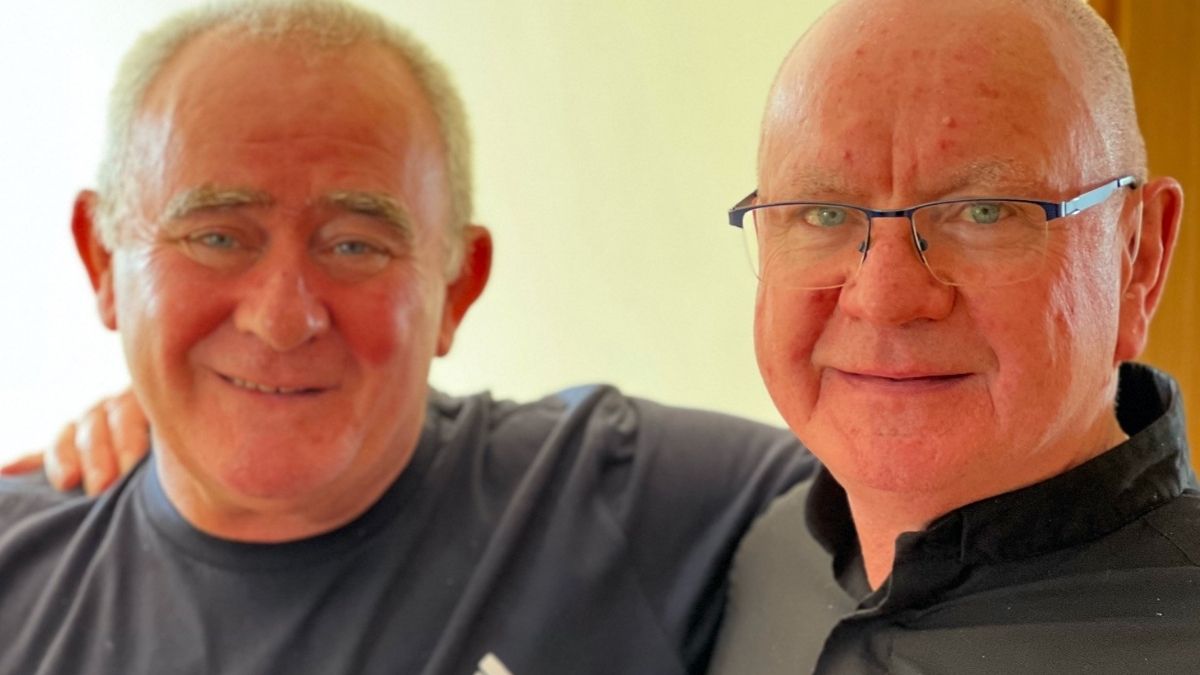
Brendan McManus SJ :: In the summer of 2022, during a heatwave in Spain, myself and a Dublin taxi driver, Jimmy Fullam, went together on a walking retreat on the Ignatian Camino », the lesser-known cousin of the Camino de Santiago »
He gave me permission to tell this story and we published a book about it called Brothers in Arms. It tells the story of that testing pilgrimage: severe heat, trouble finding accommodation and having to negotiate unexpected hurdles.
Jimmy was a recovering alcoholic, 10 years sober then, so the retreat that we did together looked at faith, prayer and blocks to progress. We especially focussed on forgiveness, helping him to let go of the past and all the chaos that alcohol had wreaked.
The book is a lovely story of friendship between two very different personalities (at the beginning Jimmy talked nonstop and as an introvert I had to ask for us to walk apart sometimes!), and also a story of two souls on a spiritual search for God.
At one crucial point, I had to make an emergency trip home from the Camino and leave Jimmy alone for a few days without any Spanish or support. Shortly afterward he got into a real spin and almost turned to the drink in my absence and wanted to quit the Camino.
When I got there two days later, he explained to me how he had got into that negative state: he had had to wait for 6 hours in the 40 degree heat in Zaragoza bus station where everything seemingly had gone wrong.
He noticed on his phone’s bank app that a large sum of money had been taken out the day before and thought that he’d been scammed (turns out unknown to him his son had used his card). He had also lost his glasses (which were later handed in).
He got himself into a real state, worried about the missing money and not being able to contact any of his family by phone, he assumed the worst about everything. This added to the tough walk in the heat he had had the day before led to him wanting to finish the Camino and just go to the nearest bar, he was so desperate and felt out of options.
Somehow he remembered what we had talked about in terms of discernment and working through decisions: there are two voices speaking to you at any time, one from God towards the good (consolation) and one from the bad spirit towards chaos. He was able to correctly identify that temptation to quit the Camino and start drinking as the bad spirit, and that God was inviting him to resist that, face things and find peace once again. He managed to keep it together until I got there two days later.
Once we talked it through, things became clear and we got to the bottom of it. As it turned out nothing was actually ‘lost’ or irretrievable, he could see how things had got out of proportion, and he had allowed a negative and desolating spin on events to take over. I asked him what he had learned from all this, and he correctly identified that desolation had got a grip on him two days before with everything that had happened. I explained again to him about desolation and how it related to his experience:
In times of desolation, people are led by the bad spirit, who tries to bring people away from God and the good, to chaos and unease. They are tempted to abandon a positive outlook, undo good decisions (like doing the Camino and being sober), and adopt deceptive thoughts as their own. There is an unease, a falseness, and a hollow ring that characterize it, which when identified can be turned around through decisive action, especially acting against the desolation, and consolation and peace can be regained.
The movement into consolation and getting back on track was very clear and evident for Jimmy:
Consolation typically means an increase of faith, hope and love, and acting against ‘desolation’ (dryness and emptiness) but essentially it is not about the surface feelings. Paradoxically you can be going through a difficult time, e.g. getting back on track and resisting temptation, and be in consolation as you know you are doing the ‘right (humanizing)’ thing. The key to it is recognising the deeper feelings (peace/rightness), not the superficial ones (enjoyment/distaste) inside yourself and which direction you are travelling, towards the light, growth and genuine happiness or away from it.
As pilgrims on the road of life we are likewise faced with similar situations of temptation and struggle. It’s crucial to be aware of which spirit is leading us and how our thinking is affected. We need to be wise to the temptations, to the seductions and how our weak points can be exploited. There are some useful Ignatian ‘rules of thumb’: don’t change course when you’re going through a storm, stay faithful to good decisions already made, do the opposite of what desolation suggests, and find a place of peace and balance. It’s reassuring to know that God is always with us, is always faithful, always forgives and hold a light for our steps especially in dark moments.