
Limping in the footsteps of Ignatius Loyola
Brendan McManus SJ :: My passion is walking, and the Camino is the Rolls Royce of trails, the ultimate pilgrimage. Being grateful I knew was the Ignatian key to trusting in providence and being close to God. Ten years ago I fell and fractured my kneecap on the Ignatian Camino, I was reduced to limping between hostels and the pain eventually forced me to abandon the walk. Back in Belfast my leg was wrapped in a plaster cast and suddenly my life shrunk, revolving around massive efforts getting up and down stairs, struggling with clothes and even eating was challenging. This seemed like a tragedy on one level but surely God has to be in this experience too? Could I be grateful for this too?
It was quite easy to fall into bitterness and self pity, life suddenly seemed very hard and nothing seemed to go right. Specifically, I didn’t experience much meaning in life (all my ministry was impossible), God seemed remote and distant, and it was a short step into ingratitude and even resentment. Ignatius Loyola, who himself limped most of his life, used to say that the only real sin is ingratitude as it fosters a whole lot of negativity, self-centredness and despair. Changing that around is difficult, acting from love seems impossible and gratitude seems like a vain hope.
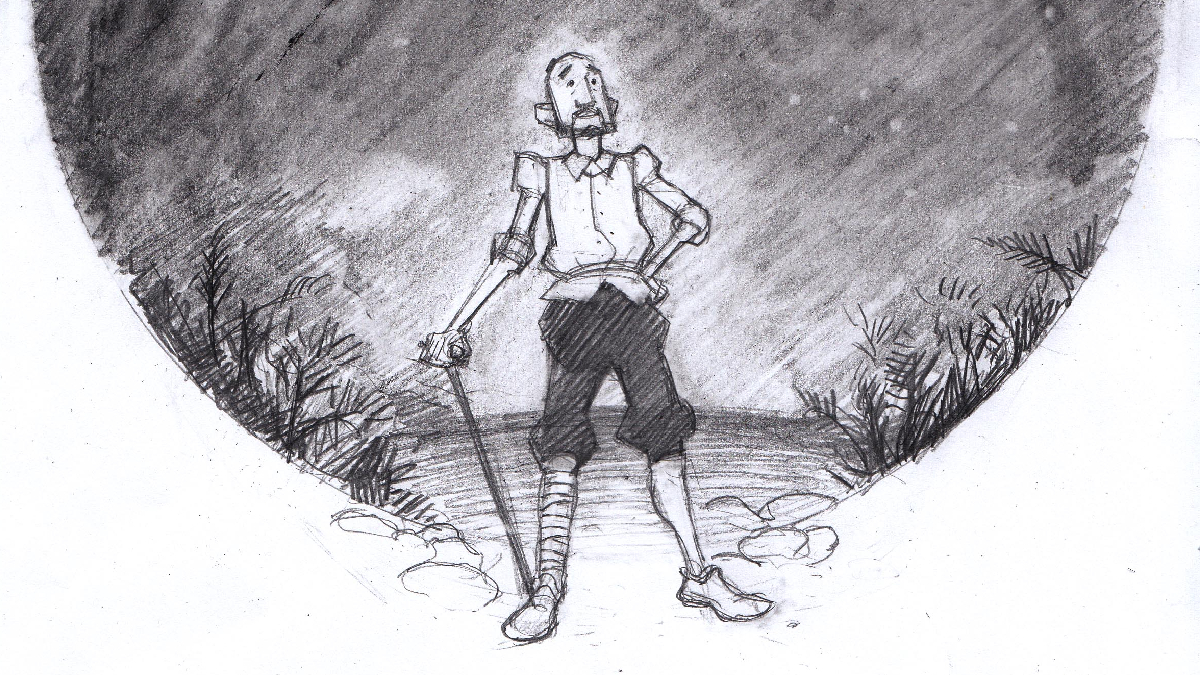
Ignatius managed to turn his leg injury and convalescence into a new way of relating to God. His frustrating immobility became the moment where he realised that God was speaking to him. Not being able to be the dashing soldier helped him to wake up to the reality that God was speaking to him within his life experience. Could I turn this incapacitating injury into something more positive, more of God and could I find gratitude?
Slowly my leg healed, and I began to appreciate what others were doing for me in the house, helping me to get through the day. Then I was able to give a course on prayer in the local parish through a local man who kindly drove me there once a week. I knew something of what it means to abandon yourself to God, to place yourself in God’s hands, as I was unable to do much else. Paradoxically, the experience of convalescence teaches a lot of truths about how much we are dependent on others, how fragile we really are, how the world gets on without us (we’re not that indispensable), and how God needs us to listen and learn.
My incapacity showed me clearly that I was in a relationship with God (God can get through to me as I am more open), that we are created by God, that we are fundamentally fragile but gifted, regardless of what has happened, and that God still loves us and we need God’s guidance. Part of being sick is the silent loneliness and often the darkness of the long nights, wondering, doubting, and praying out of a deep need. It can often feel like insanity; how could God love me? Why such suffering? Why don’t I feel God’s presence? how would I know it? It becomes easier to think that God doesn’t exist, or worse, God doesn’t love me.
The day I limped out of the hospital without the cast was a great joy, I was free again to re-join the walking world! I remember that evening walking a few hundred metres down a country lane in Fermanagh: I could smell the flowers, I never felt so alive or so grateful. I had been given another chance here, a chance to really live and appreciate. If I had not fallen I would have taken things for granted, gone on with my busy life and never realised the simple basic pleasures. Just to be alive is such a gift, to be able to walk is a real blessing, to be healthy and free from disability is a gift to be treasured. I never felt so grateful.
Ignatius in the Spiritual Exercises asks us to remember all the good things God has done for us first and then consider what we might do in return. This simple step, so easy to overlook, has us review the history of the way has God been present to us. All the major doctrines or theology are concrete examples of what God has done for me out of love:
· I am created by God, formed in my innermost being (Psalm 139; Creation)
· I am created in the image of God, I am like God in that I am intelligent, free, creative etc.
· Mistakes I make are not a separation but a pathway back to God (Redemption in Christ)
· God’s presence in my life, on reflection can I see that God was with me always and even carried me during the darkest moments (footprints, Deut 1:31)
· I am given new beginnings always, never cut off (God has shown mercy to me, in people, events, church, ministry)
Finally, imagine all that God has done for us, everything that we have has been given to us, to use for praising God and reverencing others and creation. God shows love for us in concrete deeds and actions, blessing us even in our blindness and weakness (Spiritual Exercises #230). Even my mind, intelligence, thoughts and creativity are all aspects of gifts given to me to be used for the good of the world. Most of the time we tend to think of these things as our own possessions to be used for whatever we want, to be exploited or squandered as we like. If we can see them as part of God’s present to us, it takes on a different meaning, that it does matter what I do with these and what they are used for. Having a sense of gratitude is key to seeing how God has blessed me many times over and is present to me and walks with me in the journey of life.
Elements of this story feature in my book, The Way to Manresa: Discoveries Along the Ignatian Camino »