
‘Pity the Nation’
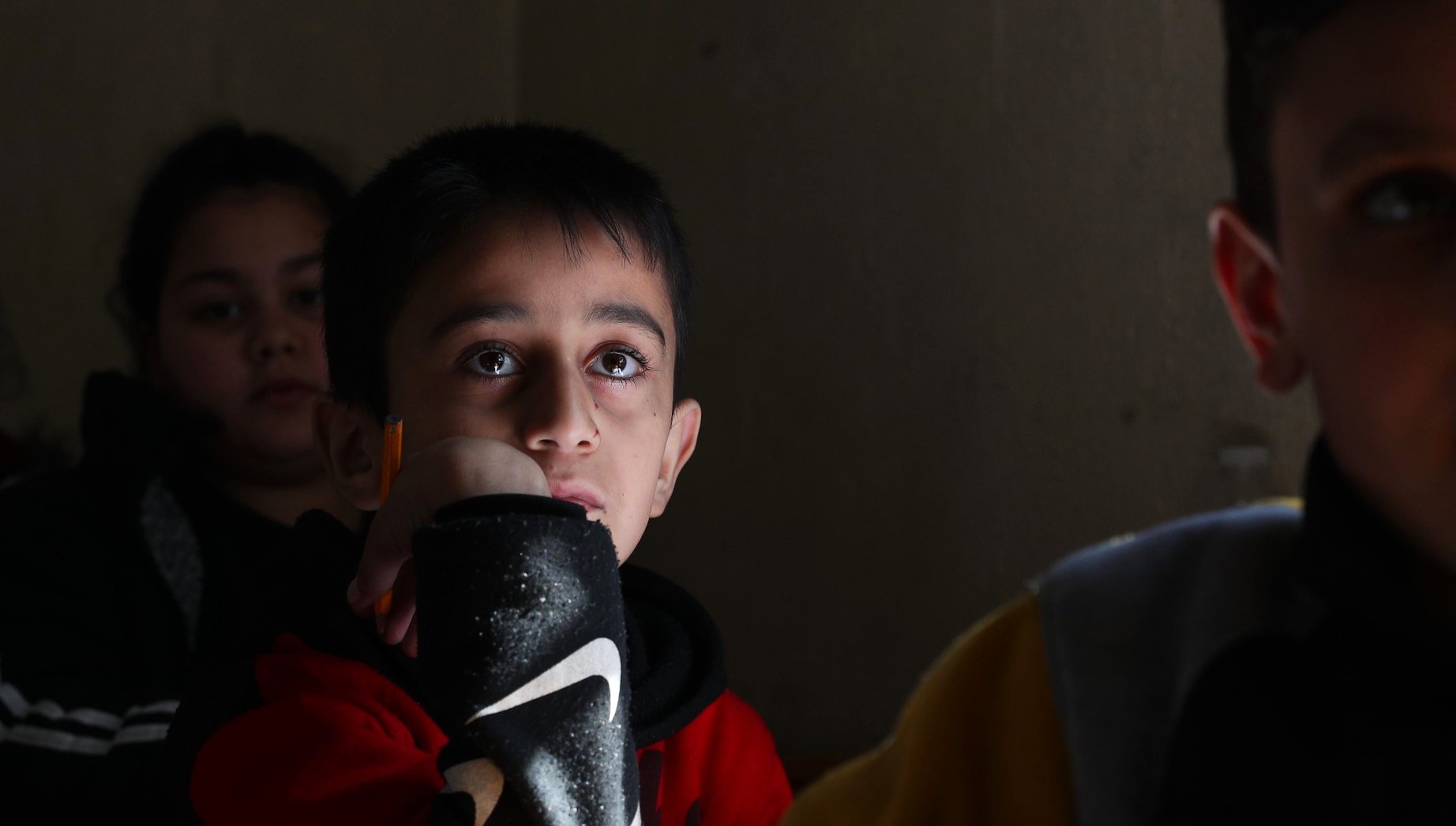
“While international attention has largely focused on the war between Israel and Iran, less notice has been given to the continuing conflict in Lebanon. Claiming to be targeting Hezbollah fighters, Israel’s military campaign in Lebanon has, according to the United Nations, displaced nearly 700,000 people from their homes. Among them are approximately 200,000 children, with hundreds of confirmed civilian deaths.” So writes Fr Michael Zammit Mangion SJ, in an article for the June Sacred Heart Messenger ». Fr Zammit has been the provincial of the Near East and Maghreb Jesuit Province since 2020. In his article, which we feature in full below, he outlines the tragedy that is Lebanon and explains how the Jesuits are part of a coalition trying to help the people of that beleaguered country.
Jesuit Coalition Responds to Humanitarian Crisis in Lebanon
Although around 120,000 displaced people have found refuge in government shelters, the majority have been left with few options for accommodation. Meanwhile, the Israel Defense Forces continue to issue evacuation orders affecting some of the country’s most densely populated areas.
In response, a coalition of Jesuit ministries and affiliated organisations across Lebanon has adapted its services to meet urgent humanitarian needs amid the ongoing violence. Unlike the crisis of eighteen months ago, demand for emergency accommodation in traditional refuge areas of western Lebanon has declined significantly.
In the Bekaa Valley town of Taanayel, for example, only a small number of displaced families have sought shelter. The organisation Arc en Ciel is currently hosting ten families at one of its facilities. Similarly, shelters in the town of Bikfaya remain largely empty, as many Christian residents of southern Lebanon have chosen to remain in their communities despite the dangers. This reflects both changing patterns of displacement and a growing weariness among those who have endured repeated cycles of conflict.
At a meeting held on Sunday, Jesuit superiors and directors of works reviewed the evolving displacement situation and coordinated future relief efforts.
The situation is markedly different in Beirut. There, migrant workers, many of them African families, have filled a shelter established jointly by the Jesuit Refugee Service (JRS) and the Arrupe Migrants Centre (AMC) at St Joseph Jesuit Church. Designed to accommodate 80 people, the shelter reached almost double its capacity within two days, housing approximately 150 residents.
Under the leadership of Fr Michael Petro SJ and with the support of the parish council, facilities have been expanded through the conversion of the church crypt into a dormitory and the installation of portable sanitation units. Volunteers and parish leaders continue to coordinate the day-to-day running of the shelter.
The Centre de la Jeunesse Catholique (CJC), a social centre attached to St Joseph’s Church, has concentrated its efforts on assisting families who have chosen to remain in southern Lebanon despite the risks. A first shipment of food and clothing has been prepared for distribution. The aid route will pass through the village of Qawzah, a community previously rebuilt through cooperation between the Jesuit coalition and international partners. Today, much of the village stands deserted as residents seek safety in neighbouring towns, hoping their homes will not once again be destroyed.
These initiatives represent the main strands of the Jesuit coalition’s emergency response. JRS and AMC are providing accommodation for migrant workers, most of whom are Muslim, while the CJC is supporting Christian families who have remained in their communities. The Xavier Network has been coordinating requests for assistance, with JRS addressing as much of the immediate need as available resources permit.
Educational institutions are also attempting to restore a degree of normality. Saint Joseph University of Beirut has moved classes online, while Collège Notre-Dame de Jamhour resumed in-person teaching earlier this week, welcoming approximately 80 per cent of its students despite ongoing transportation difficulties.
Across Lebanon, however, hundreds of public schools have been converted into emergency shelters. Around 200,000 displaced people are currently being housed in 480 accommodation centres, leaving much of the country’s public education system effectively suspended.
Airstrikes continue across Beirut and other regions of Lebanon, many reportedly aimed at specific individuals. These targeted attacks have contributed to widespread anxiety among the population. While advance warnings are often issued before broader military strikes, assassination attempts typically occur without notice, targeting individual apartments or hotel rooms.
Amid the continuing crisis, the Jesuit coalition has found a particular ministry among those with nowhere else to turn. Security forces have increased monitoring of relief sites, including Jesuit-run shelters, which remain notable for their willingness to accept migrant workers who are frequently excluded from government-operated facilities.
Fr Michael Zammit Mangion SJ,
June 2026.