
The landscape that influenced C.S. Lewis
The writer C. S. Lewis, born in Belfast in 1898, was a prolific scholar, novelist and Christian apologist. He is best known for The Chronicles of Narnia, a seven-book fantasy series that has enchanted generations with its imaginative worlds, memorable characters and underlying spiritual themes. Lewis combines myth, adventure and moral allegory, in his Narnia books, beginning with The Lion, the Witch and the Wardrobe. In this article from the August Messenger 2026, Dr Kevin Hargaden, Presbyterian Elder and former director of the Jesuit Centre for Faith and Justice explores the Irish landscape that influenced the soul of Lewis’ writings. He explains how his books have become enduring classics of children’s literature, inspiring adaptations in film, stage and other media and continuing to invite readers of all ages into stories of wonder, courage and redemption.
Narnia’s Irish Roots
Last month I introduced the great Irish writer C. S. Lewis and discussed how important his sense of home was to his writing. While his scholarly output is still deeply respected and his Christian writings remain bestsellers, it is his series of seven fantasy novels for children, The Chronicles of Narnia, for which he is most fondly remembered. This year marks the 70th anniversary of the publication of the final Narnian tale, The Last Battle, and we will soon get a first glimpse of the movie adaptation of the first entry in the series, The Magician’s Nephew.
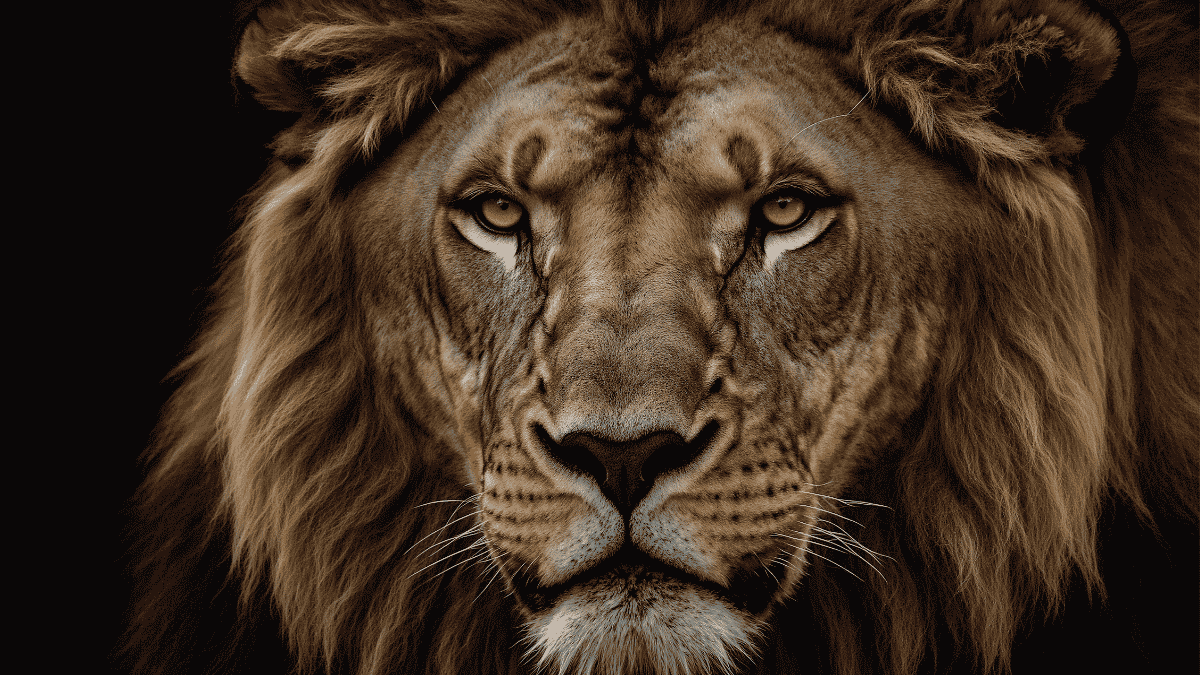
Greta Gerwig’s film promises to be one of the cinematic events of the year, but avid readers of Lewis’s novels will be eager to see the many Christian themes in the plot preserved. The heart of the book is a remarkable scene in which Aslan the Lion, a Christ-like figure, sings the Narnian cosmos into existence.
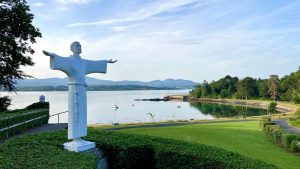
When I read these stories to my son, he was transfixed, but he was too young to realise that when Lewis wrote them he was reminiscing. When Lewis dreamt up Narnia, he was thinking mostly of County Down. “That part of Rostrevor which overlooks Carlingford Lough is my idea of Narnia,” he later confessed. All his life Lewis felt that the Mourne mountains were a place where “a giant might raise his head over the next ridge.” The world Aslan sings into being is exactly that kind of place.
In the novel, much of this takes place in “the Wood Between the Worlds,” which many people say is inspired by Tollymore Forest Park in the foothills of the Mournes, known for its mossy paths, bridges and caves. When the kingdom of Narnia is later established in the series, the beautiful palace of Cair Paravel was said to be Lewis’s literary nod to Dunluce Castle on the Antrim coast. These local landmarks were, for Lewis, stray glimpses of another world that convinced him our own is not a closed room but a corridor leading to something greater.
If The Magician’s Nephew shows us the dawn of a world, The Last Battle — first published in autumn 1956 — shows us its sunset. Lewis underlines that the end of the story is never really the end. In the final chapters, as the old Narnia passes away, the characters find themselves entering a “new” Narnia that is strangely familiar. They realise, with awe and wonder, that everything they loved about the old world was merely a shadow of this new, more vibrant reality. Lucy and Edmund — who we first meet in the most famous of the novels, The Lion, the Witch and the Wardrobe — discover that the real Narnia is just like the one they knew before, but the further up and further in they go, the more solid, joyous and real that reality becomes.