
‘The grandeur of humanity’
Pope Leo XIV’s first encyclical, Magnifica Humanitas (Magnificent Humanity), addresses the ethical and social challenges posed by artificial intelligence, placing human dignity at the centre of technological progress.
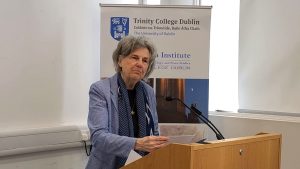
In this interview with Pat Coyle of Irish Jesuit Communications, Jesuit theologian Dr Gerry O’Hanlon gives a detailed summary of the encyclical. He notes how it draws on the tradition of Rerum Novarum », the work of Pope Leo’s namesake, Leo X111.
Dr O’Hanlon highlights the dialogical tone that runs throughout Magnifica Humanitas » , describing it as a call for international cooperation, ethical regulation, and a renewed commitment to protecting human dignity in an age of rapid technological change.
He notes that this spirit of dialogue is reflected in Pope Leo XIV’s balanced approach to artificial intelligence. While the Pope warns against the concentration of power in the hands of technology companies and raises concerns about the use of AI in warfare, surveillance, and social control, he also acknowledges the significant benefits the technology can offer.
Technology itself, the Pope argues, is not the problem. Rejecting both technological optimism and technological pessimism, he insists that AI is neither inherently harmful nor automatically beneficial. Rather, its development and use must be guided by the common good, respect for workers, the promotion of justice, and the strengthening of human relationships.
Dr O’Hanlon also examines other themes addressed in the encyclical, including the contemporary culture of power, the continued injustices faced by women in secular society, and the Church’s own examination of conscience regarding past failures, particularly its historical acceptance of slavery.