
Protect the vulnerable and our ‘Common Home’
The Irish Jesuit Province has added its voice to a growing chorus of faith-based organisations urging strong climate action from Europe’s leaders ahead of COP31 in Antalya, Türkiye by signing an open letter to EU leaders », co-ordinated by the European Laudato Si’ Alliance (ELSiA). The letter was published and issued to the press on Tuesday 29 September 2026.
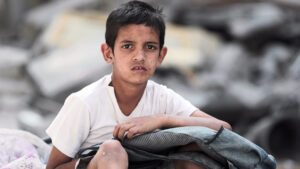
The coalition asks the EU leaders “not to allow the EU’s ambition on climate action to be weakened by short-term responses to the many interconnected global crises, but instead to remain faithful to the EU’s founding principles and lead by example in protecting the most vulnerable and our Common Home”.
The letter sets out four core commitments the EU should carry to COP31:
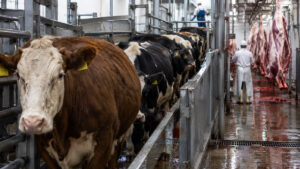
Adopt clear targets to transform global food systems toward food sovereignty and agroecology.
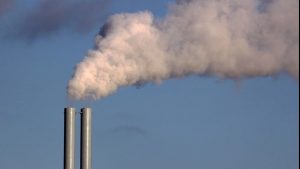
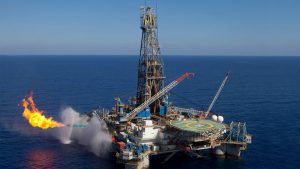
Accelerate the phase-out of fossil fuels and pursue renewables-driven electrification.
Ensure a just transition anchored in the next EU multiannual financial framework (MFF).
Deliver climate finance that meets the needs of the world’s most vulnerable countries.
The letter has been endorsed by ELSiA’s full membership, including the ‘Laudato Si’ Movement’, the ‘Jesuit European Social Centre’ (JESC), CIDSE, ‘Caritas Europa’, ‘Don Bosco International’, ‘Justice and Peace Europe, ‘New Humanity’ (‘Focolare’) and ‘Pax Christi International’. It is also part of the “Europe Be Faithful for Our Common Home” campaign, a networked appeal supported by 170 Christian organisations across 22 EU countries. It includes several initiatives, a group of Jesuit European Treasurers and Finance Offices (including Ireland) committed to a shared interest in responsible, ecologically aware investment.
Signatories to the letter say it underlines the vital role that faith communities can play in shaping climate advocacy across Europe joining civil society, NGOs and faith networks in pressing for climate justice and solidarity with those most affected by the climate crisis.